
Smart Home Installation
Smart Home Setup That Actually Feels Easy for Busy Homeowners
Published 2026-05-15
2 min read
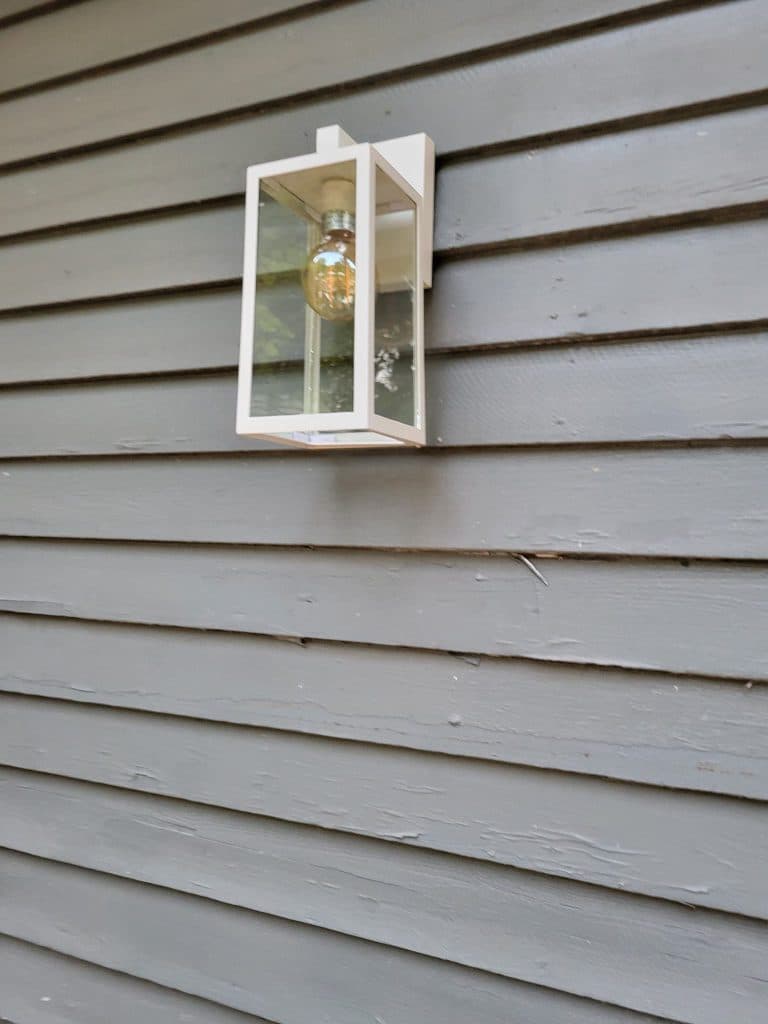
Smart home products promise convenience, but homeowners often end up with the opposite: multiple apps, confusing notifications, and devices that work inconsistently. Most of that frustration starts with planning gaps, not bad equipment. A smoother setup begins by deciding what outcomes matter most. Do you want faster package alerts, easier front-door visibility, better nighttime exterior coverage, or simpler climate control? Once those priorities are clear, device selection and placement become much easier.
Doorbells and cameras are where placement mistakes show up first. A camera that looks great from the driveway can still miss approach angles or create constant false alerts from traffic movement. We recommend positioning based on motion zones and real entry paths, not just the most convenient mounting point. The goal is usable alerts, not notification overload.
Smart locks and thermostats have their own setup pitfalls. Lock installs should include calibration checks and app permissions for each household member, not just the primary account holder. Thermostats should be tested through schedule changes and manual overrides before installation is considered complete. These steps sound basic, but skipping them is one of the main reasons homeowners feel like smart upgrades are "always glitchy."
Network consistency matters more than most people expect. Devices at the edge of Wi-Fi coverage may connect during setup, then fail randomly later. For larger homes, adding or repositioning network hardware can make a bigger difference than buying more expensive smart devices. We treat network health as part of the install conversation, not an afterthought.
For busy households, bundling smart setup with other installs saves time and reduces schedule friction. If you are already planning TV mounting, lighting updates, or fan replacement, including smart doorbells, locks, or cameras in the same service window often creates a cleaner overall result. It also means fewer repeat visits and fewer decisions left unfinished.
A good smart home setup should make daily routines simpler within the first week. If it takes a month to "figure out" basic automations, the system was probably not configured around how your household actually lives. The best installations are practical, predictable, and easy for every resident to use, not just the most tech-savvy person in the home.